

What does living lean actually look like?
It’s honestly not that exciting — and that’s kind of the point.
There are no ice baths.
No cold plunges.
No 4:30 a.m. miracle routines.
I don’t even shower in the morning. I shower at night so I can save time when I wake up.
Morning: Simple and Predictable
I get up about an hour before I have to be at work.
The first thing I do is use the bathroom and weigh myself. No emotion attached to it — it’s just data. Then I finish getting ready and head downstairs.
I pack my food for the day the same way I’ve been doing it for years. I grab my lunch box, throw in a frozen meal, six snacks, and three protein shakes. I fill up my water bottle and I’m ready to go.
By the time I leave the house, I’m already set up with around 1,400 calories and roughly 120 grams of protein. Nothing fancy. Nothing new. Just predictable.
My wife and I take turns putting our daughter on the bus depending on who has to be at work first. Some days it’s her, some days it’s me. That’s just real life.
Workday: Built-In Movement
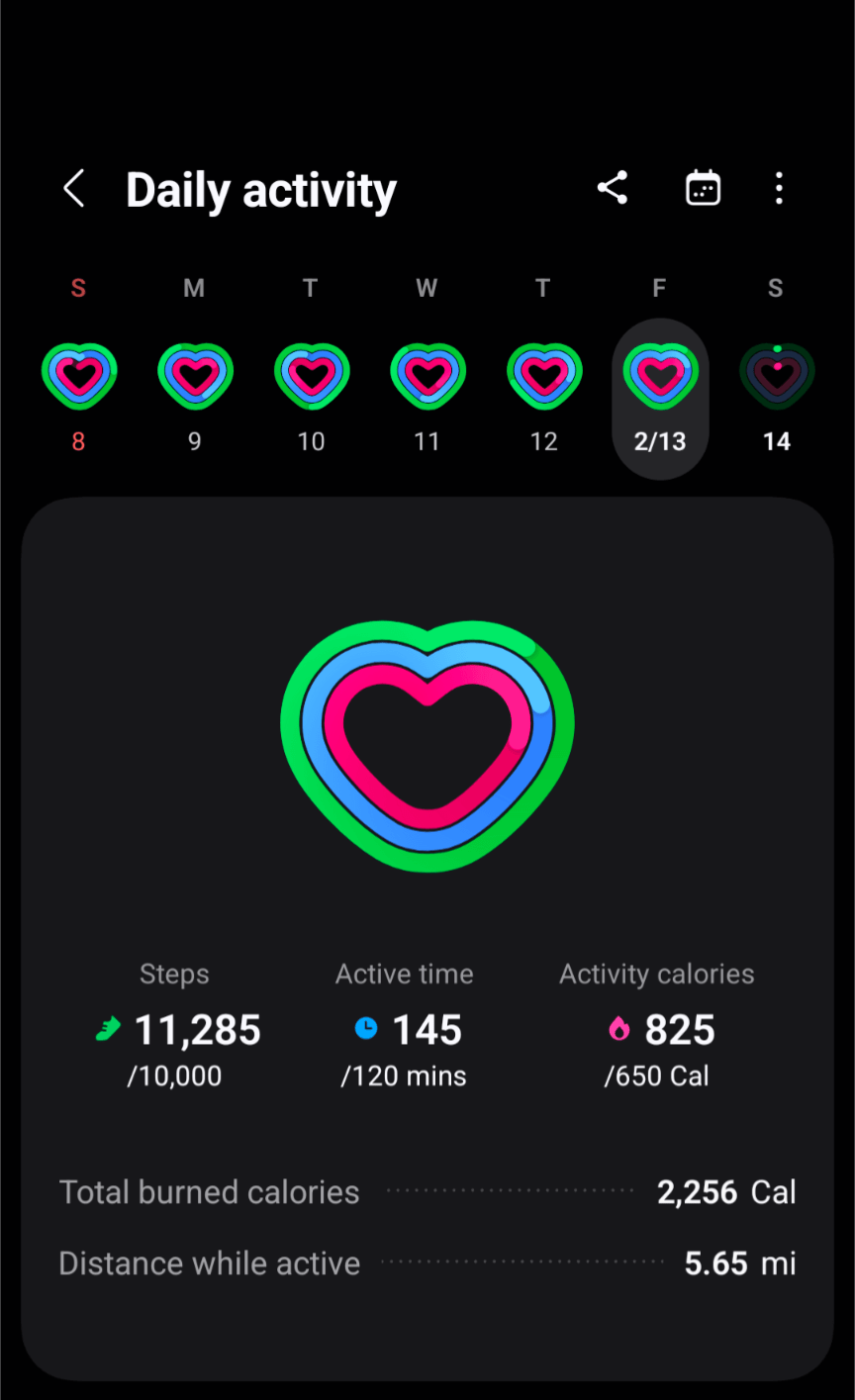
I work in a warehouse, so most of my day is spent on my feet. When I’m not on a cherry picker, I stay moving. I don’t try to “hack” steps — I just don’t avoid movement.
I do my best to stick to the food I brought from home. If I run out, I’ve got a couple go-to options in the break room that I already know fit my day: Skinny Pop and a small bag of Wonderful Pistachios.
People bring food and treats in all the time. I don’t eat any of it.
That’s not because I’m special. It’s because I built discipline over years. Once you understand calories — and once you’ve seen how fast extra food adds up — the decision gets easier. I can see it before I eat it, so it’s not really tempting anymore.
By the time I leave work, I usually have a solid amount of steps and a decent calorie burn without ever “working out” at work.
Evening: Structure Without Stress
When I get home, I typically have about 1,100 calories left in my budget.
I’ll usually start with a small snack that includes protein and carbs, then figure out dinner. We keep things simple — different proteins, veggies, and carbs that we rotate. The meals change, but the structure doesn’t. They all land around the same calories and protein.
We eat dinner and spend some time together as a family.
After that, I rest for about 30 to 45 minutes. Then I take my pre-workout.
If it’s a training day, I’ll either hit my split or go for a 30–45 minute walk. I’ve always trained in the evenings because that’s what fit my life. Your body adapts to whatever you consistently ask it to do.
After training, I work on whatever needs attention — writing, planning, thinking — until my brain starts to slow down. Sometimes I’ll brainstorm a little more. Sometimes I’ll run a few races to unwind.
Then I’ll shower and go to bed.
Why This Works
The reason this works is because it’s simple.
Structure and routine remove the need to constantly think about food, exercise, or decisions. The same inputs lead to predictable outputs, and over time your body adapts to that rhythm.
Calories in.
Calories out.
Movement in.
Recovery out.
When those variables stay consistent, staying lean stops feeling like effort and starts feeling normal.
And that’s what living lean actually looks like.




 IntraConversions
Leave a comment