
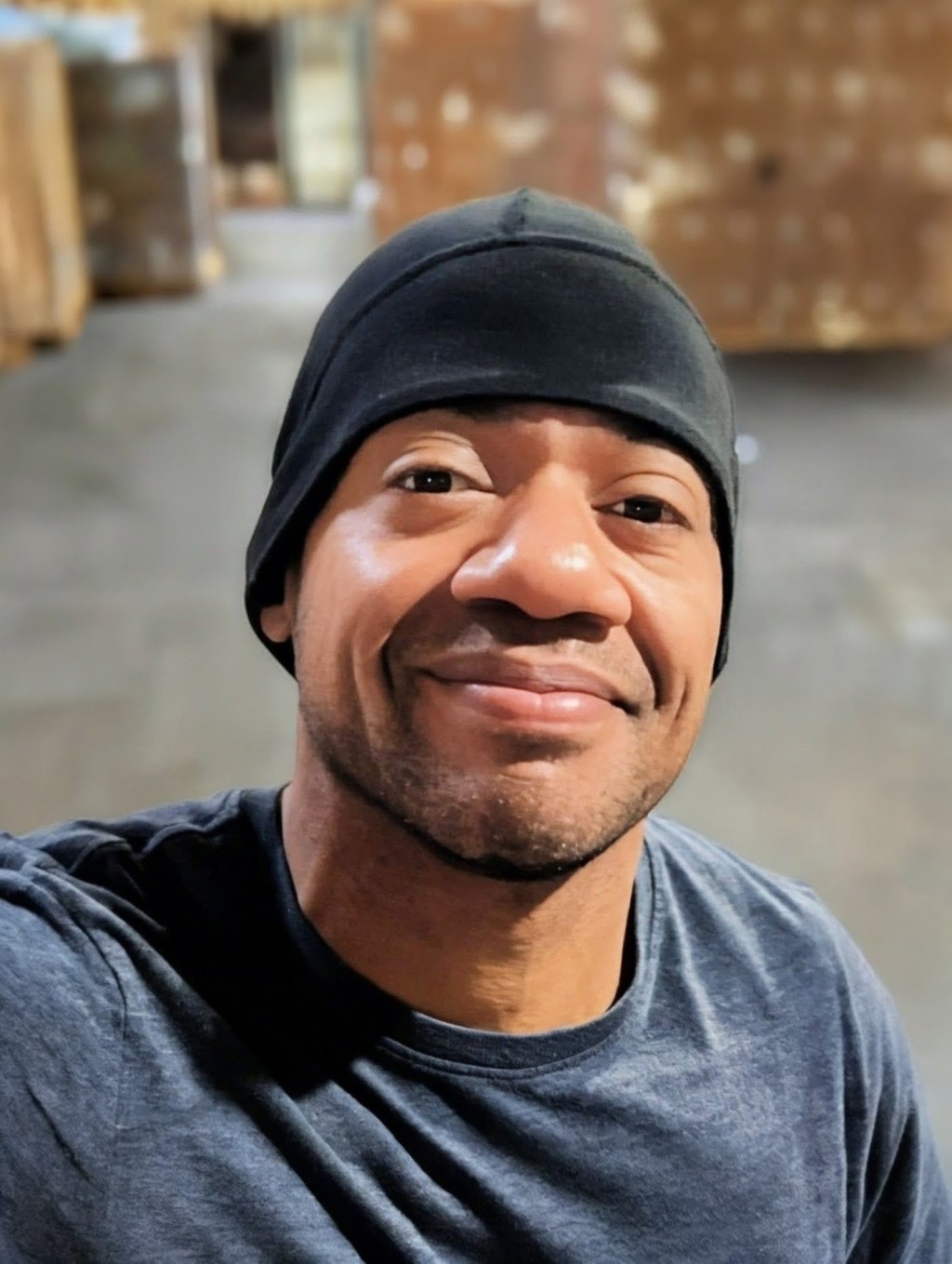
Most people think trying harder is the answer.
More discipline.
A better plan.
The right diet this time.
I used to think that too—until I realized something uncomfortable:
Trying to lose weight was the very thing keeping me stuck.
Because “trying” meant everything was temporary.
Temporary rules.
Temporary motivation.
Temporary results.
And temporary thinking always leads to the same place—starting over.
So I stopped trying.
And that’s when everything changed.
When “Trying” Becomes the Trap
For most of my life, I was trying to lose weight.
And trying is exactly what it sounds like:
- Attempt after attempt
- Plan after plan
- Gimmick after gimmick
- Hack after hack
Even when I made progress, it never really stayed.
I always needed something to keep it there—
another plan,
another rule set,
another push.
That was the pattern.
Until one day, I realized something important:
Results don’t stay when your thinking is temporary.
The Problem With “Trying”
When you’re trying to lose weight, you’re usually operating on a deadline.
By summer.
By Christmas.
Before my vacation.
Before the cruise I booked.
Those goals can work—for a moment.
But here’s the question most people never ask:
What happens after that?
Because once the event passes, so does the urgency.
And when urgency disappears, so do the habits.
That’s when the weight comes back.
Not because you failed—
but because the system was never designed to last.
The Shift That Changed Everything
I didn’t need another diet.
I needed a different perspective.
So I stopped trying to lose weight
and started learning how to live in a healthy body.
That meant switching from:
- Short-term outcome thinking → sustainability and longevity
- “How fast can I get there?” → “How do I live here once I arrive?”
Instead of chasing results,
I focused on building a lifestyle.
One Habit at a Time
This time, I didn’t do everything at once.
I replaced one bad habit with one good habit—and made it normal.
Then I replaced another.
And another.
No rush.
No pressure.
I wouldn’t add a new habit until the previous one felt routine—
until it fit naturally into my life instead of fighting against it.
I paid attention.
I listened.
I observed how each change actually affected:
- My energy
- My mood
- My schedule
- My enjoyment of life
I wasn’t just doing things.
I was judging their usability.
If something didn’t serve me long-term, I didn’t keep it.
That’s how trust gets built.
Discipline, Trust, and Consistency
Over time, discipline stopped feeling like force.
It became trust in my daily actions.
I trusted that showing up—even imperfectly—was enough.
I trusted that consistency would do what motivation never could.
And slowly, something different happened:
I reached my goals.
But more importantly…
I kept the habits that got me there.
Why “Lifestyle” Isn’t a Cliché
People roll their eyes at the phrase healthy lifestyle like it’s a buzzword.
But here’s the truth:
If you don’t build a lifestyle,
you’re just hopping from diet to diet—
losing weight,
gaining it back,
losing it again.
That’s the diet roller coaster.
And that cycle doesn’t come from lack of effort.
It comes from temporary systems.
When you intentionally replace old habits with new ones that actually fit your life, reaching a goal becomes an achievement—
not the finish line.
It becomes your new baseline.
This Is the Real Win
The habits that get you fit
are the habits that keep you fit.
There is no “after”
when the lifestyle is the point.
I didn’t stop caring about results.
I stopped living for them.
And that’s when everything finally stayed.



 IntraConversions
Leave a comment