When I was young, like most of us, I was free—free in my personality, my thoughts, and my experiences. But over time, fear and judgment slowly crept in, shaping the way I saw the world. These judgments weren’t just casual observations; they became rigid categories. I had an opinion for everything, a box for everyone: Those kinds of people do this, so stay away from them. Watch out for that, because you know how they are.
Little by little, my world shrank. What once felt like an open, endless universe became a tiny, self-constructed bubble. I called it my comfort zone. But was it really comfort, or was it a cage? I had fenced myself in so tightly that I could only interact with a small, carefully selected group of people. The vast majority of opportunities in the world were no longer accessible—not because they weren’t there, but because I had shut them out.
It took time to learn the difference between boundaries and comfort zones. Boundaries are lines of truth—sacred things that shouldn’t be crossed, like trust, marriage, personal responsibilities, and respect. Boundaries are necessary. But my comfort zone? That was just fear disguised as wisdom. Growth, for me, has become the process of continuously expanding my comfort zone while keeping my boundaries intact.
And here’s the hard part: judgment was at the root of it all. The harsh judgments—of myself, of others, of situations I didn’t fully understand—were the real walls around my life. Judgment makes us feel like we’re protecting ourselves, but in reality, we’re blocking ourselves from growth.
I was in a conversation recently where someone was rattling off judgment after judgment, labeling and categorizing everything. And I found myself thinking, Wait a minute, I do that… But when I pointed it out, their response was always the same: Oh no, not you. You’re different. But am I? Or did their judgment just come from a place of limited understanding?
The truth is, when we judge, we almost never have the full picture. We make assumptions based on appearances, circumstances, and perspectives that are often incomplete. And when we overstep in judgment, we limit our own freedom more than we limit anyone else’s.
“Judge not, lest you be judged.” That isn’t just a warning—it’s wisdom. Because when we criticize and tear others down, we don’t realize that we’re also tearing down a part of ourselves. The faults we hyper-focus on, the things we give so much energy to, only grow stronger in our own world. When we constantly dwell on someone else’s flaws, we are feeding those same negative energies within ourselves.
But the real freedom comes when we let that go. When we stop concerning ourselves with what others are doing and simply focus on our own growth. Because we never truly know what someone else is going through. We don’t know what God is doing in their life, just like they don’t know what He’s doing in ours. Everyone is on their own journey—going through what they need to go through in order to get to the other side.
The best thing we can do? Focus on now. Appreciate the experience while we have it. Live it fully, so we don’t look back with regret, realizing we missed out because we spent too much time judging, labeling, or shutting people out. If you’re going to judge, judge your own inner path. Examine your choices, your actions, and listen to the voice behind the critic—the voice that’s actually pushing you forward.
Judging less, or just leaving it alone, gives you the breathing room to learn from your own mistakes and from the mistakes of others without carrying the burden of criticism. Wisdom comes from time and the application of knowledge, and knowledge comes from experience. So instead of judging, observe. Watch. Learn. And if you must imagine something about a person, imagine the best. Imagine their growth. Imagine their victory.
Let go of the judgment and give your mind the space to let good things grow.

Hello,
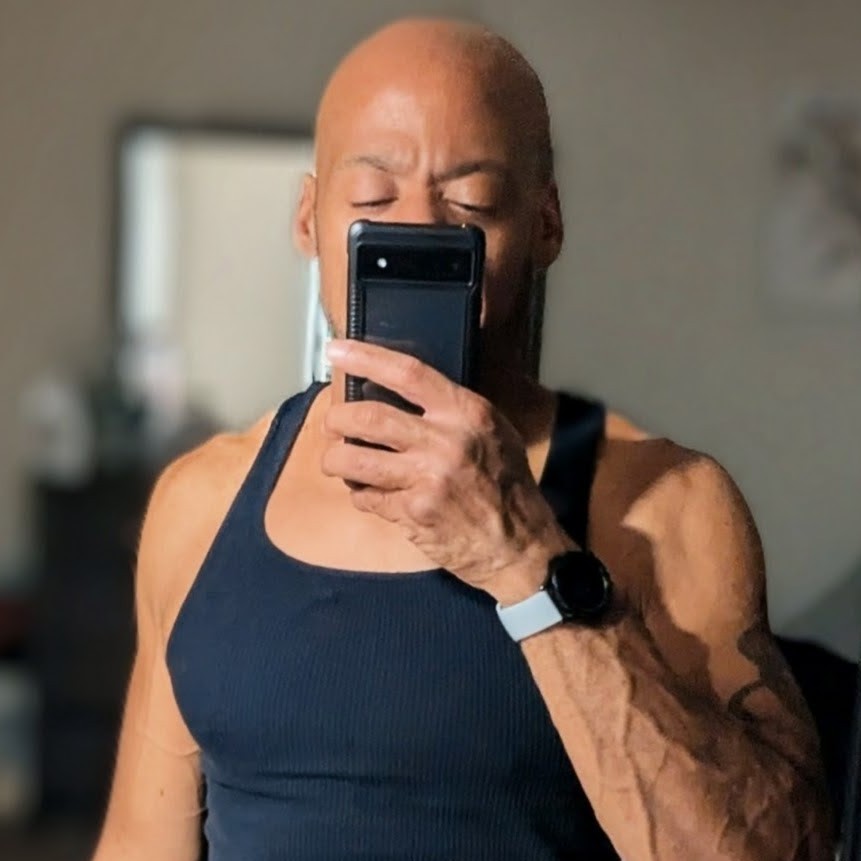
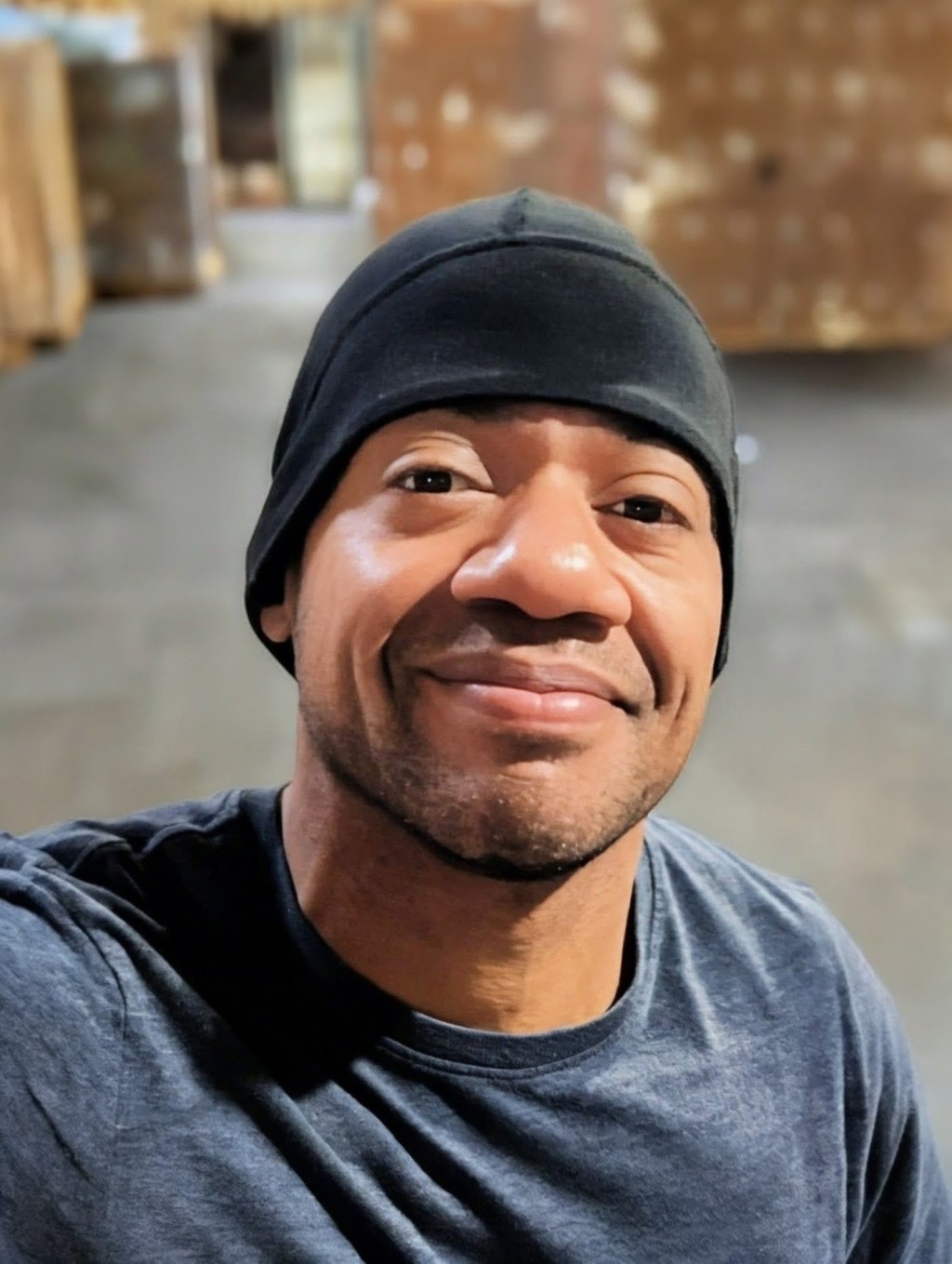
I’m Cornelius

A few years ago, right before the “pandemic” I experienced a mindset shift that turned what could have been a midlife crisis into a midlife transformation for the better. What started out as a quest for happiness, ended up unlocking a key to freedom-true freedom. I realized that the greatest transformations start from within. By embracing self love. I reshaped my body and redefined my life and sense of purpose.
Let’s connect
Join the fun!
Stay updated with our latest tutorials and ideas by joining our newsletter.



 IntraConversions
Leave a comment